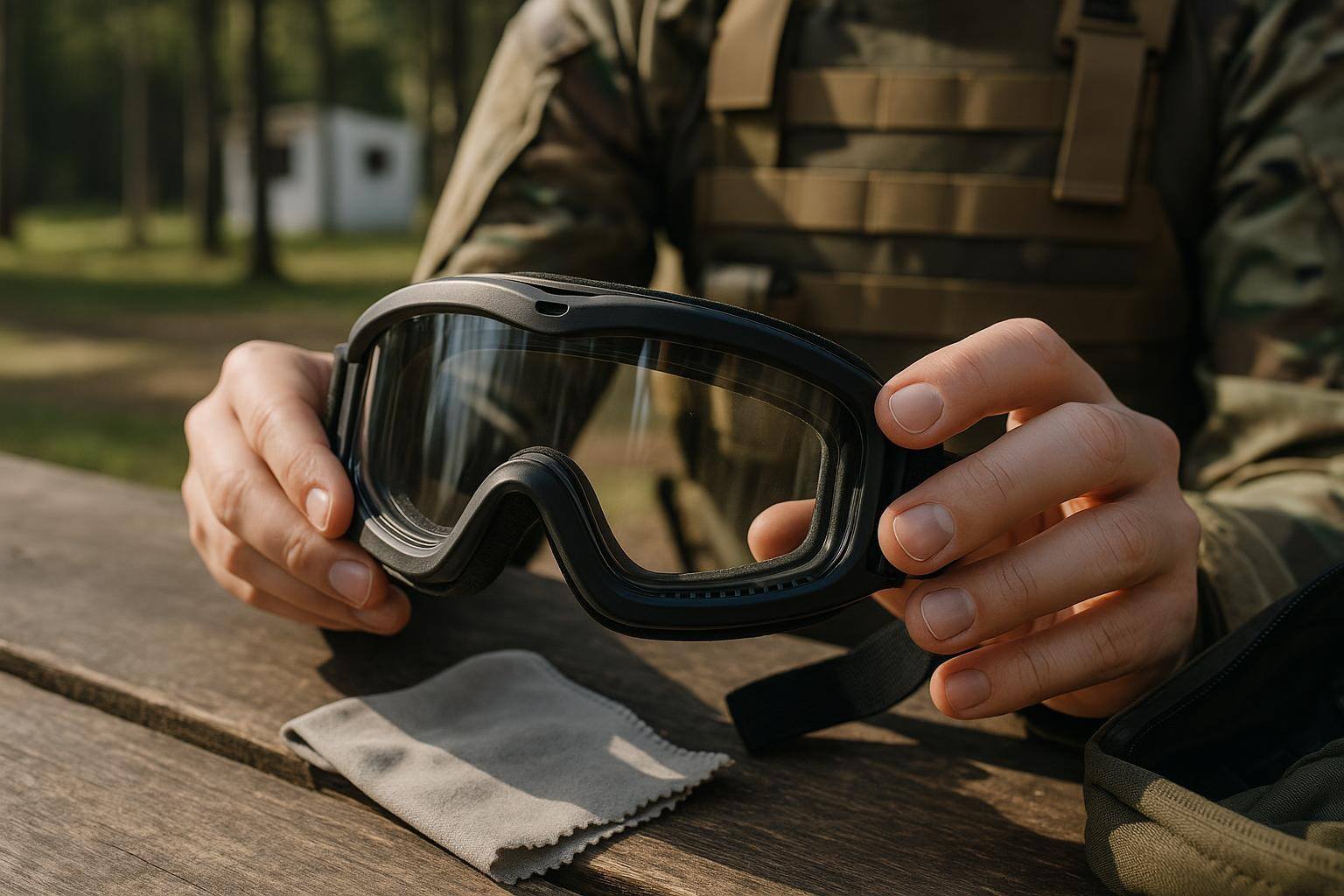
Prioritizing Eye Safety in Airsoft: Your Essential Protection Routine
Keeping your eyes safe during games depends on a few important details. The first thing you need is goggles or a mask. Just wearing them isn't enough. After a game you might think your gear is okay. Problems can happen-especially if your equipment was not stored properly. Spending a minutes before the game to check everything carefully can make the difference between a safe time and a dangerous one.
Know Your Fields Safety Standards
Before you even think about putting on your eye protection learn the safety rules at your field. It is a mistake to think that any pair of goggles or a mask will work everywhere. Rules can be very different-some places may need sealed goggles while others may ask for lower-face coverage. Also some materials, like mesh may not be allowed all.
To avoid problems talk to the staff at the field before you start. Their advice is very useful. Can help you avoid the mistake of relying on what you have done before and assuming things are the same.
Inspect Your Lenses Thoroughly
Once you get to the field take a moment to look at your lenses. Hold them up to the light to see if there are cracks, scratches or any cloudy areas. Dust is easy to clean. Serious damage means you should repair or replace the lenses as the manufacturer says. Remember, the strength of your eye protection is very important.
Also check the frame. Make sure the vents are not blocked and look at the straps for any signs of damage or fraying. A broken strap can give you a feeling of safety; if it breaks during play your protection is gone. Do not change the gear like making holes for air because this can break the rules and hurt how your gear works.
Ensuring a Secure Fit
A tight fit is very important for eye protection. When you put on your goggles move your head around-look down turn left and right, crouch and stand up. Your goggles should stay in place. Not leave any spaces around your eyes. If they do take time to adjust them. But be careful; if the straps are too tight they can. Make you want to loosen them during the game, which takes away protection.
Also think about things that can affect how well your goggles stay on-like hair, hats or helmet straps. Balancing comfort and safety is important; if you are uncomfortable you may take off your goggles when you should not.
Combatting Fogging Issues
Fogging can be one of the problems during the game. It can make you want to take off your eye protection in the middle of the match which's dangerous. To reduce fog learn the rules at your field about goggles. Follow any specific steps for dealing with fog.
Take care of your gear by using the cleaning products and approved anti-fog treatments. Do not use things you find around the house because they can damage the lenses. Also be gentle when cleaning; rubbing hard can cause scratches that hurt your vision over time.
If fogging still happens look at the environment the lenses and how well your gear fits. Sometimes switching to a model can work better than using many treatments that might stop air from moving.
Prepare a Maintenance Kit
Having a maintenance kit can help you be ready for the field. This kit should have a microfiber cloth, the cleaning solution, extra straps and a copy of the latest rules. Keep cloths in a bag to stop them from getting dirty and scratching your lenses.
Before you go on the field check this list:
– Make sure your lens is clear and attached properly.
– Check the frame, straps, vents and seals for any damage.
– Make sure the goggles fit right when you move.
– Check that you can see clearly through the lens.
– Make sure your cleaning supplies are okay for your lenses.
– Check that your eye protection follows the fields safety rules.
– Be ready for what to do if fogging happens or if your gear breaks.
If your vision becomes blocked during the game follow the fields safety rules-keep your eye protection on until you get to a place.
Practicing Good Sportsmanship
Good sportsmanship is not about calling hits; it also includes how you take care of your gear and the gear of other players. Watch for when another players gear's not working-like if it has fallen or is damaged. It is important to respect their need to deal with these problems without being pushed.
Always follow the rules about where the front of the gun's pointing especially when you move to safe areas. Listen to staff instructions and give players time to fix their gear; this makes the game better, for everyone.
Finally make sure you dry and store your eye protection the way the maker says. Checking your gear regularly will keep it in shape making the game safer and more fun for you.